
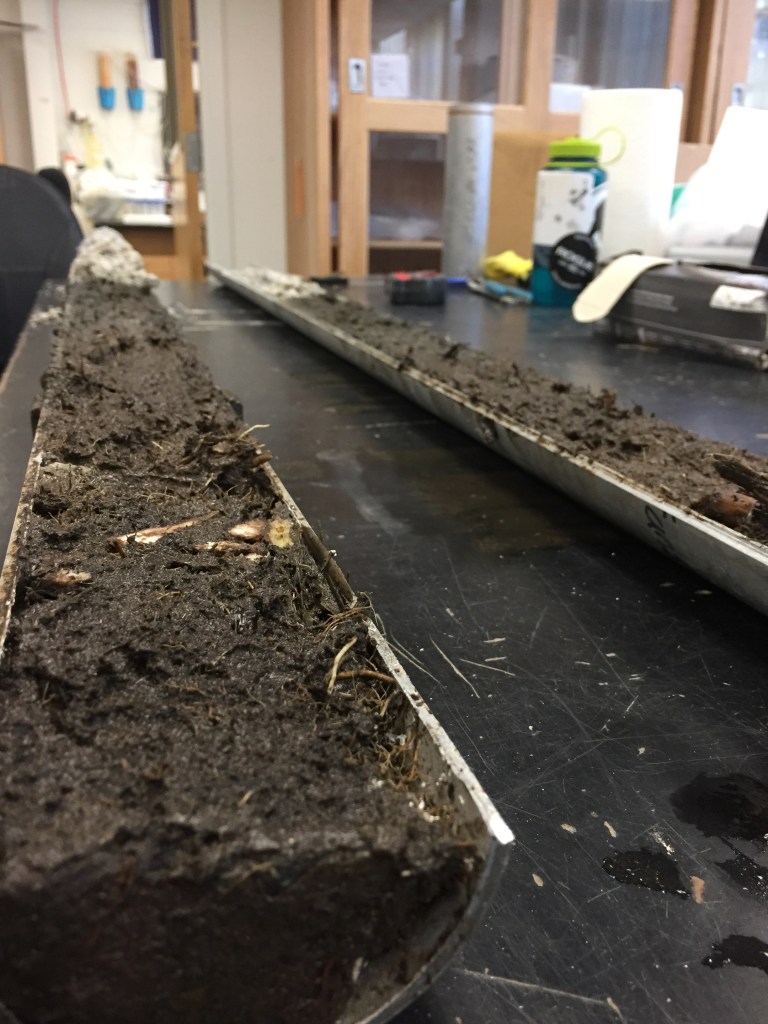
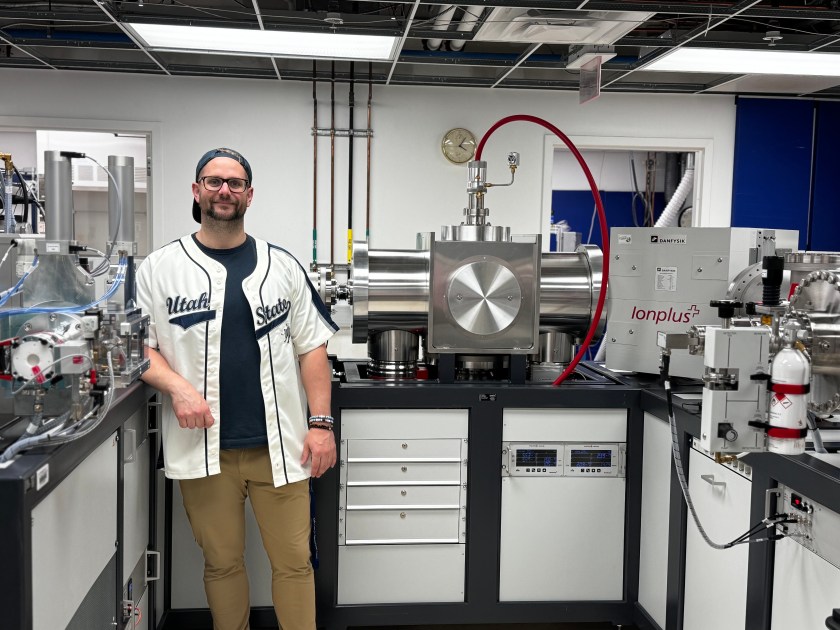
The Vaughn Biogeochemistry Lab at Utah State University examines carbon cycling in Earth’s major carbon reservoirs (soils, oceans, rivers, atmosphere) and spans the fields of organic geochemistry, hydrology, oceanography, soil science, geology, and paleoclimatology. Current research examines the production, burial, and export of carbon in vegetated coastal ecosystems (a.k.a. “Coastal Blue Carbon”), anthropogenic and climate change impacts on carbon cycling between reservoirs, as well as measuring greenhouse gas (CO2, CH4, N2O) emissions from wetlands and estuaries. Students in the lab will gain experience applying a range of analytical, experimental, and modeling techniques to carbon cycling research, including the use of stable isotopes (13C, 15N), geochronological probes (210Pb, 137Cs, 14C), elemental and biochemical compositions (e.g. molecular biomarkers), and ultrahigh resolution mass spectrometry (FT-ICR MS), all of which will characterize carbon sources, degradation, and age. The Vaughn Biogeochemistry lab is currently under development but will include equipment used to measure dissolved organic carbon (DOC), dissolved inorganic carbon (DIC), dissolved organic matter (DOM) quality and will be equipped to prepare particulate and dissolved carbon samples for radiocarbon (14C).
 Vaughn Biogeochemistry Lab